Homeowners' pick for appliance repair across the West
Cooktop Repair — Book a Visit Today
We repair gas, electric, and induction cooktops, and the fix starts with running each burner and metering the parts that should be passing power. Call us and tell us what the burner is doing. Cooktops usually fail in small ways first. One burner clicks and clicks without lighting, or an element glows dim on high, or the glass surface throws an error code and shuts the whole thing down. Behind those signs sit igniters caked with spillover, cracked surface elements, failed infinite switches, burned control boards, and gas valves that no longer seat. We tell you plainly what we found. Coil, radiant, or induction, the diagnostic order stays the same. Hard water film and desert dust both play a role out here, and we account for that.
Call (800) 712-6387- A real person answers
- Open 7 days
- Written quote before work starts
Taking calls until 5:00 PM MT
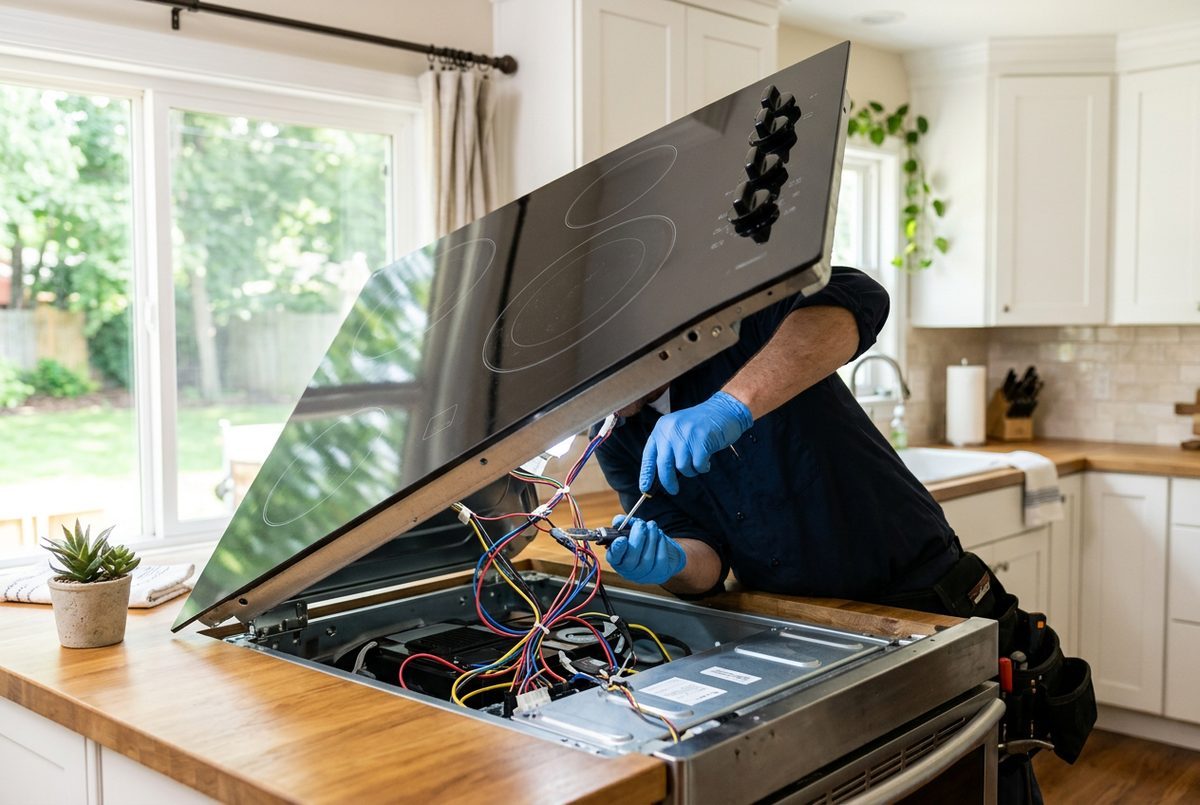
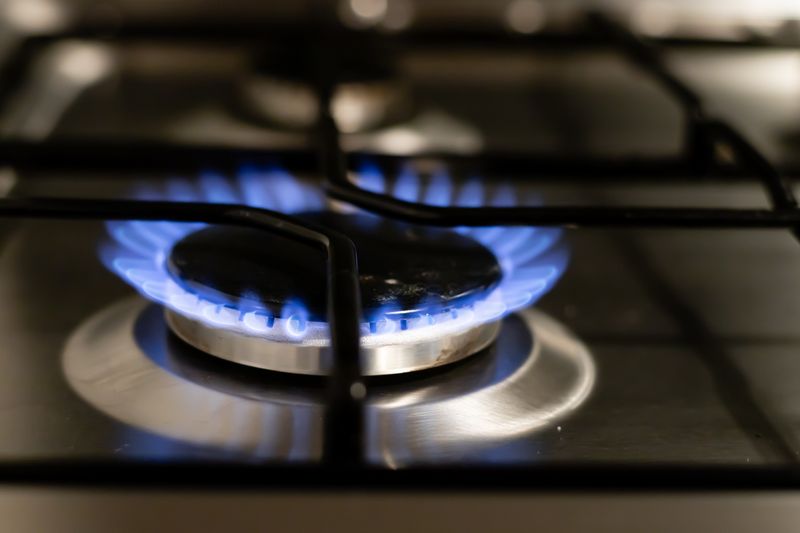
The cooktop symptoms we hear most
- It clicks but won't light Fouled or cracked igniter, a wet burner cap, or a spark module holding voltage
- One burner stays cold, the rest work fine Open surface element, burned receptacle terminals, or a failed infinite switch
- Burner runs full blast on every setting Shorted infinite switch, or a control board stuck sending a continuous call for heat
- Flame is orange and lazy Blocked burner ports, wrong air shutter setting, or a gas supply issue upstream
- Touch panel shows a code and locks out Induction control board fault, cooling fan failure, or an overheated coil sensor
Safe things to check first
Worth a look before you call — sometimes it saves you the visit.
- 1;
Guides & troubleshooting
What homeowners get from an independent shop
| Atlas Appliance Service | Big-box repair chains | Handyman listings | |
|---|---|---|---|
| You approve a written quote first | ✓ | ✕ | ✕ |
| Phones answered by people, every day | ✓ | ✕ | ✓ |
| Gas and electric, all major brands | ✓ | ✓ | ✕ |
| Independent shop, nobody's quota | ✓ | ✕ | ✓ |
| Techs who know the local housing | ✓ | ✕ | ✓ |
What homeowners say after the visit
“He quoted the repair, then told me honestly the control board might follow within a year. I repaired anyway, eyes open.”
Alan W.Peoria, AZ“Booked online at night, callback the next morning. Smooth from start to finish.”
Tricia S.Eugene, OR“They had the dishwasher rack rollers on the truck. Twenty minutes, done, gone.”
Bruce K.Tempe Junction, AZCooktop Repair — quick answers
Why does my gas burner keep clicking after it lights?
Usually moisture or spilled food is sitting under the burner cap, and that keeps the spark circuit confused. Lift the cap, dry everything, seat it flat, then try again. If the clicking continues, the igniter or spark module is likely at fault and needs testing.
Can a cracked glass cooktop be repaired?
Cracked ceramic glass gets replaced, not patched. Heat cycling widens any fracture, and liquid reaching the elements below creates a shock hazard. We can confirm whether you are looking at surface scratching or a real break, then price out replacement parts through the manufacturer.
Is induction repair different from radiant?
Very. Induction relies on power boards, coils, and cooling fans rather than resistive elements, so faults tend to show up as codes instead of a dead burner. We test the board, the fan, and the coil separately. That way you are not replacing an expensive assembly on a guess.
Should I fix the cooktop or replace it?
Age, part availability, and how many systems have failed all matter. A single element or switch is a straightforward repair. A twelve-year-old unit with a bad board and cracked glass may not be worth it. We tell you which side of that line you are on.
Does hard water hurt a cooktop?
It leaves mineral film that bakes onto glass and works its way into burner ports. Over time that film insulates the surface and restricts flame. Cleaning helps. But scale in the ports can mimic a gas supply problem, so it is worth having the burners checked.
How do I get ready for the visit?
Clear pans and clutter off the surface, and make sure we can reach the shutoff or the breaker. Note which burners misbehave and when. If a code appeared, write it down. Small details shorten diagnosis. Call us with those notes ready.
How it works
- Step 1
Tell us the symptom
Call us or fill out the form and describe what you hear, smell, or see. A noise, a leak, an error code, the smell of something burning. Small details help us load the right parts on the van before we head out.
- Step 2
We come look
A technician comes to your home and tests the machine instead of guessing at it. You'll hear what failed, what the fix takes, and what we'd do if this were our own kitchen.
- Step 3
Repair and check
A lot of parts ride with us, so common failures get handled on the same visit. Harder parts we order in. Then we run the appliance through a cycle and make sure the problem is actually gone.
- A real person answers
- Open 7 days
- Written quote before work starts
Why homeowners call us
- Western conditions, plainlyHard well water scales up dishwasher jets and water heater lines. Summer heat leans on refrigerator compressors. Cold garages freeze washer valves in winter. We see those patterns weekly, so we check for them before chasing something exotic.
- Brand independentWe aren't tied to any manufacturer. That means we work on the mixed lineup most homes actually have: one brand of range, another brand of laundry, a fridge somebody bought used. Same technician, same visit.
- Steady, not rushedRushing is how a diagnosis goes wrong. We take the time to pull the panel, test the part, and read the board. And if a repair doesn't make sense for the age of the machine, we'll say so out loud.
- Straight schedulingYou get a real appointment window and a heads-up when the technician is on the way. Rural addresses and long mountain driveways are normal for us. Tell us about the gate or the gravel and we'll plan for it.
- All major brands, gas & electricIndependent service on Whirlpool, LG, Samsung, GE, Maytag, Bosch, KitchenAid and the rest.
- Straight answersSome machines aren't worth the part, and we say so before you spend anything.
Cooktop Repair
Small faults become big ones on a schedule of their own
Describe the symptoms and we'll book the visit — takes about a minute.
- A real person answers
- Open 7 days
- Written quotes
- All major brands
- Gas & electric
Rather not call? Get a free quote →